
algebra 1 notes pdf
Overview of Algebra 1 Notes PDFs
Algebra 1 PDFs offer concise, downloadable lecture notes covering fundamentals such as linear equations, functions, and quadratic expressions․ Many universities host free PDFs on course sites, while open‑source repositories provide curated collections․ Students can quickly download and annotate them․More
Definition and Scope
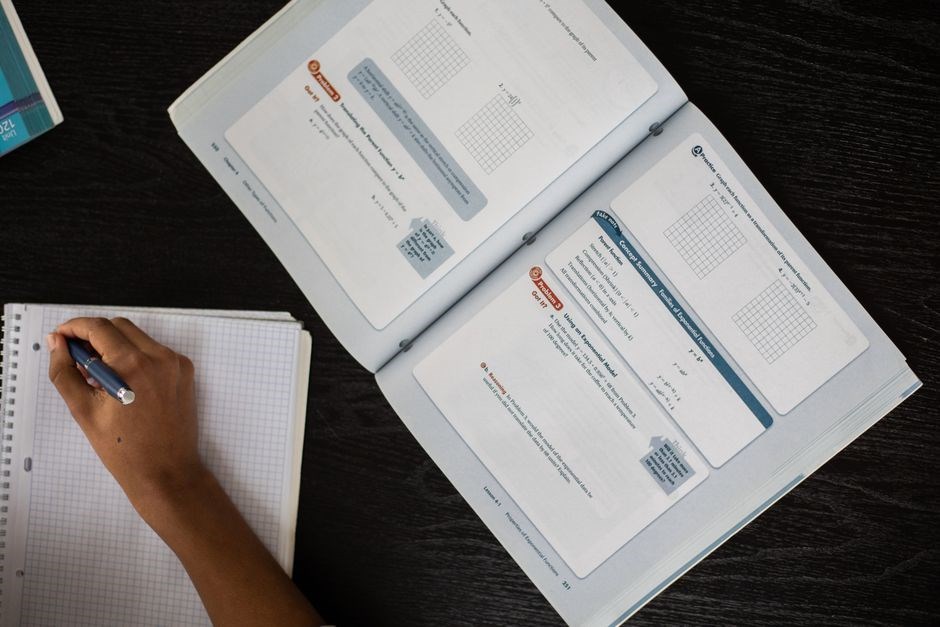
Algebra 1 PDF notes are digital compilations of lecture material that outline the core concepts of introductory algebra․ They typically include sections on solving linear equations, manipulating inequalities, graphing linear and quadratic functions, factoring polynomials, and exploring exponents and radicals․ The scope extends to basic set theory, functions, and introductory coordinate geometry․ These PDFs are designed for high‑school or early‑college students, offering step‑by‑step explanations, worked examples, and practice problems․ Many institutions provide them as free resources, while open‑source platforms curate and update them regularly․ The format allows easy annotation, highlighting, and cross‑referencing, making them ideal for self‑study or classroom reinforcement․ By consolidating textbook chapters, lecture slides, and supplemental exercises, Algebra 1 PDFs serve as a comprehensive study aid that adapts to diverse learning styles and schedules․ In addition, the PDF format supports interactive features such as embedded hyperlinks searchable text, and the ability to add comments or bookmarks, which enhance the learning experience․ This PDF collection is updated to reflect curriculum changes and includes solutions, study tips to support studentfast success․!! Enhance learning with interactive quizzes․!!? In addition, the PDF format supports interactive features such as embedded hyperlinks searchable text, and the ability to add comments or bookmarks, which enhance the learning experience․
Typical Content Covered
Algebra 1 PDFs usually encompass a broad spectrum of foundational topics that form the backbone of introductory algebra courses․ Students encounter linear equations and inequalities, learning how to isolate variables, manipulate expressions, and graph solutions on the Cartesian plane․ Quadratic equations are explored through factoring, completing the square, and the quadratic formula, with emphasis on discriminant analysis and real‑root determination․ Polynomial functions, including degree, leading coefficients, and end‑behavior, are examined alongside synthetic division and the Remainder Theorem․ Rational expressions and equations introduce simplification techniques, common denominators, and restrictions on domains․ Radical expressions and surds are addressed, covering exponent rules, rational exponents, and rationalizing denominators․ Exponential and logarithmic functions are introduced, with focus on growth and decay, natural logs, change‑of‑base formulas, and solving equations involving logs․ Systems of linear equations are solved using substitution, elimination, and matrix methods, and graphical interpretations of solution sets are discussed․ Finally, introductory set theory, relations, and basic number theory concepts such as divisibility, greatest common divisors, and prime factorization provide a mathematical framework that supports all subsequent algebraic reasoning․
These PDFs frequently incorporate practice worksheets, worked examples, and solution keys, enabling students to self‑check and reinforce concepts․!

Primary Sources of PDF Notes
Students often locate Algebra 1 PDFs on university course pages, open‑access platforms, or commercial sites offering downloadable lecture notes․ These sources provide structured outlines, practice problems, and solutions, enabling quick reference and study preparation․ via open‑access portals, aiding study․!
University Course Websites
Many universities host dedicated course pages where instructors upload lecture notes in PDF format․ These pages typically feature a structured syllabus, weekly lecture PDFs, supplemental readings, and assignment solutions․ Students can access the materials by logging into the university’s learning management system (LMS) or by visiting a public course URL․ The PDFs are often organized by topic, with clear headings, example problems, and worked solutions․ Instructors may also provide interactive elements such as embedded videos or links to external resources․ Some institutions offer a “download all” option, allowing students to retrieve the entire set of lecture PDFs in a single ZIP file․ This convenience is especially useful for exam preparation and review sessions․ Additionally, many university sites maintain a version history, enabling students to compare current notes with previous iterations and track updates or corrections․ The quality of the PDFs varies, but most contain high‑resolution scans or professionally typeset documents, ensuring readability on both desktop and mobile devices․ By leveraging these university course websites, students gain reliable, up‑to‑date study materials that align closely with the taught curriculum․ Students often share annotated versions of these PDFs on collaborative platforms, fostering peer discussion and collective problem solving․ The availability of up‑to‑date content also supports self‑paced learning, allowing students to revisit complex topics at any time․ This resource pool is for revision and mastery․!

Open Educational Resources (OER)
Commercial Publishers
Many established textbook houses offer downloadable PDF versions of their Algebra 1 courses, often bundled with interactive features․ Key players include Pearson, McGraw‑Hill, and Houghton‑Mifflin Harcourt, each providing a range of supplemental materials such as solution manuals, teacher’s guides, and student workbooks․ These PDFs are typically accessed through institutional subscriptions or individual purchase, and they come with robust search and annotation capabilities that support both classroom and self‑study environments․ Some publishers also provide cloud‑based platforms where students can annotate directly in the browser, share notes with peers, and track progress via embedded quizzes․ While the cost can be higher than open‑source alternatives, the quality of the content, consistency across editions, and professional layout design make these resources popular among educators who value a polished, ready‑to‑use package; Additionally, many publishers offer tiered licensing options, allowing schools to buy a single license for a class or a site license that covers an entire department; The PDFs are usually updated annually to reflect changes in curriculum standards and to incorporate new pedagogical strategies, ensuring that teachers have access to the most current material․ Students can export annotations to PDF or integrate them with LMS platforms, facilitating collaborative study and seamless curriculum alignment․ and updates․ daily․

Downloading and Managing PDFs
When downloading Algebra 1 PDFs, use precise search terms like “Algebra 1 lecture notes PDF” and verify source credibility․ Store files in a dedicated folder, rename using course code and date, and back up on cloud services․ Organize by semester and topic for quick retrieval․ Use PDF managers to tag sync․!
Effective Search Strategies
Effective search strategies for Algebra 1 PDF notes involve using specific keywords, filtering by file type, leveraging academic search engines, and exploring university repositories․ Begin with queries such as “Algebra 1 lecture notes PDF site:․edu” or “Algebra 1 syllabus PDF open source․” Utilize quotation marks to capture exact phrases, and add terms like “chapter 3” or “homework solutions” to narrow results․ Academic databases such as Google Scholar, JSTOR, and arXiv often host free PDFs; use the “PDF” filter to exclude non‑PDF links․ Many universities host course materials on their official sites; add the university name or course code to the search string․ For example, “MIT Algebra 1 notes PDF” or “Stanford Algebra 1 lecture slides․” Open‑access platforms like OER Commons, OpenStax, and the National Center for Case Study Teaching in Mathematics provide downloadable PDFs․ Once a promising link appears, verify the document’s authenticity by checking the author, publication date, and institutional affiliation․ Bookmark or save the URL in a dedicated folder․ Use a browser extension or PDF manager to download multiple files at once․ Finally, maintain a spreadsheet to log sources, download dates, and file sizes for easy reference and compliance with copyright policies․ Students should also cross‑reference notes with official syllabi, use citation managers to track sources, and periodically back up PDFs to external drives or cloud accounts to prevent data loss․ It also supports collaborative learning․!! These habits build a solid foundation study․!
File Organization Tips
Adopting a systematic folder structure is essential for efficient retrieval of Algebra 1 PDFs․ Begin by creating a root directory named “Algebra 1 Notes” on your local drive or cloud storage․ Inside, separate files by semester or topic: e․g․, “Fall 2025 – Linear Equations”, “Spring 2026 – Quadratics”․ Use consistent naming conventions: “Topic–Chapter–Version․pdf” (e․g․, “LinearEquations–Ch3–v2․pdf”)․ This allows quick visual scanning and supports search engines․ Attach metadata to each file—author, source URL, and brief description—by editing the PDF properties or adding a companion ․txt file․ For collaborative projects, maintain a shared folder on a platform like Google Drive or Dropbox, and use version‑controlled naming (v1, v2) to avoid accidental overwrites․ Back up your organized library to an external drive or a second cloud account to guard against data loss․ Finally, periodically audit the folder: remove duplicates, update outdated links, and archive older semesters into a compressed ZIP file․ This disciplined approach keeps your Algebra 1 PDFs accessible, reduces clutter, and streamlines study sessions․ If you prefer a spreadsheet, create an index table listing file names, topics, dates, and notes․ This can be exported to CSV for quick lookup․ For heavy users, consider a lightweight database or a note‑taking app that supports PDF attachments․ Keeping a README file in the root directory summarises the folder layout and any special conventions, ensuring that collaborators understand the structure․ When sharing, use a read‑only link to prevent accidental edits․ Finally, set a routine—once a month—to review the folder, re‑name any mislabelled files, and purge obsolete PDFs․ This habit boosts learning daily in academic success!!! Organizing files in this manner not only saves time during exams but also builds a habit of systematic study that benefits future courses․
Utilizing PDF Reader Features
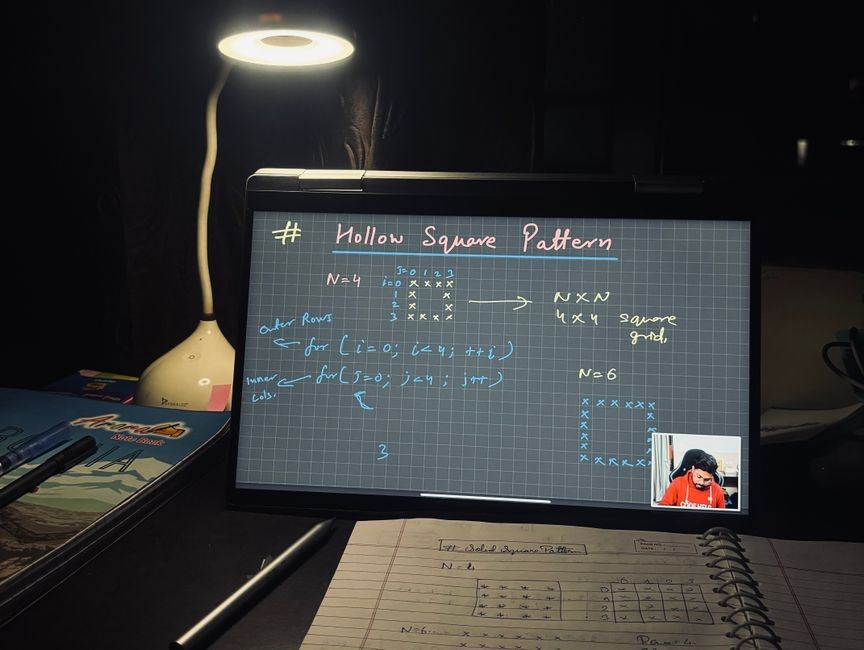
Use annotation tools to mark key equations, add sticky notes for insights, and highlight variable relationships․ Employ search to locate specific terms quickly․ Leverage bookmarks to jump between chapters, and use the built‑in calculator for spot checks․ Sync across devices․ Use layers for concepts․ now
Annotation and Highlighting Tools
When working with Algebra 1 PDFs, the most effective strategy is to combine color‑coded highlighting with inline notes․ Use a PDF reader that supports sticky notes—add a brief comment next to each key equation, such as “solve for x” or “factorization step․” The highlight tool can be set to different colors: yellow for definitions, green for theorems, and pink for example problems․ Many readers, like Adobe Acrobat, Foxit Reader, and the free Okular, allow you to underline important variables and use strikethrough to show corrections or alternate approaches․ For algebraic expressions, the freehand drawing feature is handy: draw arrows to indicate the flow of substitution or to connect terms in a factorization․ Some readers also support text boxes that can be moved freely; place them beside complex quadratic formulas to write out the discriminant․ By layering these annotations, you create a visual map that mirrors the logical structure of the notes, making review sessions faster and more focused․ Remember to save the annotated PDF in a separate folder so the original file remains untouched, allowing you to share the clean version with classmates if needed․
Bookmarking and Navigation
Effective use of bookmarks transforms a static PDF into an interactive study companion․ Begin by creating a hierarchical structure that mirrors the syllabus: chapters, sections, and key concepts․
Once the structure is in place, leverage the “Outline” pane to jump instantly between topics․ This is especially useful during timed practice sessions or when revisiting specific problem sets․ For quick reference, many readers support “Go To Page” shortcuts;

Once the structure is in place, leverage the “Outline” pane to jump instantly between topics․ This is especially useful during timed practice sessions or when revisiting specific problem sets․ For quick reference, many readers support “Go To Page” shortcuts; pairing these with bookmarks creates a dual navigation system that reduces page‑turning fatigue․ Additionally, bookmarking key equations or theorems allows rapid retrieval during exams, ensuring you can focus on problem-solving rather than searching and save time for review!
Advanced users can embed links within the PDF itself, linking directly to external resources or supplementary worksheets․ By embedding URLs or file paths, you can create a seamless bridge between the textbook material and interactive tools․ Remember to test each link before finalizing the document to avoid broken references․
Finally, consider exporting the bookmark list as a separate file․ This export can serve as a study guide, allowing you to print or share a concise roadmap of the entire course․ Regularly updating bookmarks after each study session ensures the PDF remains a living, evolving resource․

Legal and Ethical Use
Students must respect copyright, using PDFs only when the source permits free distribution or falls under fair‑use․ Sharing beyond that is illegal․ Always cite the author, link to the original site, and avoid mass‑distribution․ Ethical use promotes academic integrity․!!!2026

Copyright and Fair Use
Students accessing Algebra 1 PDFs should be mindful of copyright laws that protect the original authors’ intellectual property; The U․S․ Copyright Act grants exclusive rights to reproduce, distribute, and create derivative works․ However, the doctrine of fair use permits limited use for purposes such as criticism, comment, news reporting, teaching, scholarship, or research․ When a PDF is shared for classroom instruction, the transformation of the material—such as adding annotations, summarizing, or translating—can strengthen a fair‑use claim․ Yet, the four factors of fair use—purpose, nature, amount, and effect on market—must be weighed․ For example, a teacher may legally copy a page of a textbook to illustrate a concept, but distributing the entire book online would likely infringe․ To stay within legal boundaries, students should: 1) verify that the source explicitly allows free distribution (e․g․, Creative Commons licenses); 2) limit the amount copied to the minimum needed; 3) provide proper attribution to the original author; and 4) avoid altering the work in ways that could replace the original market․ When in doubt, consult the institution’s copyright policy or seek permission from the publisher․ In practice, many universities host PDFs under Creative Commons licenses that explicitly permit non‑commercial sharing․ If a PDF is not openly licensed, the safest approach is to download only the portion needed for a single assignment and to keep a local copy for personal use․ If you wish to distribute a PDF to classmates, obtain written permission from the copyright holder or use a link to the original source instead of the file itself․ Additionally, some publishers offer “educational use” licenses that allow instructors to share a limited number of pages with their class․ Always check the publisher’s terms of use before sharing․ If you are unsure whether a particular PDF falls under fair use, consult your school’s copyright office!!!