malibu low voltage transformer manual
Malibu Low Voltage Transformer Manual: A Comprehensive Guide
This manual provides detailed instructions for Malibu low voltage transformers‚ covering installation‚ operation‚ troubleshooting‚ and specific model details like the 8100-9120-01.
It addresses common issues – from power failures and low voltage to circuit breaker trips and unusual noises – ensuring reliable landscape lighting.
Understanding Malibu Low Voltage Transformers
Malibu low voltage transformers are essential components for safe and efficient landscape lighting systems. They convert standard 120V AC power from your home into a lower voltage‚ typically 12V or 15V‚ suitable for landscape lighting fixtures. This reduction in voltage minimizes the risk of electrical shock and allows for flexible wiring configurations.
These transformers are designed to handle varying loads‚ measured in watts‚ depending on the number and type of lights connected. Understanding the wattage capacity of your transformer is crucial to prevent overloading and potential damage. Malibu offers various models‚ including the popular 8100-9120-01‚ each with specific wattage ratings and features.
Proper transformer selection ensures compatibility with your lighting fixtures‚ particularly LED lights‚ which require different power characteristics than traditional halogen bulbs. Furthermore‚ understanding the transformer’s features‚ such as built-in timers or photocells‚ can enhance the functionality and convenience of your landscape lighting system. Regular maintenance and troubleshooting‚ as outlined in this manual‚ will prolong the transformer’s lifespan and ensure optimal performance.
Transformer Models and Specifications
Malibu offers a range of low voltage transformers designed to accommodate diverse landscape lighting needs. The 8100-9120-01 model‚ a frequently referenced unit‚ typically supports up to 120 watts of lighting‚ suitable for medium-sized installations. Other models vary in wattage capacity‚ ranging from 60 watts for smaller gardens to 300 watts or more for extensive properties.
Key specifications include input voltage (120V AC)‚ output voltage (typically 12V or 15V AC)‚ and maximum load capacity in watts and volt-amperes (VA). Transformers often feature built-in overload protection and short-circuit protection to safeguard the system.
Environmental considerations are also important; many Malibu transformers are designed for outdoor use with weather-resistant enclosures. Understanding these specifications is vital for selecting the appropriate transformer for your specific lighting requirements and ensuring safe‚ reliable operation. Always consult the product labeling and documentation for precise details regarding each model’s capabilities.
Safety Precautions and Warnings
Working with electrical systems requires strict adherence to safety guidelines. Always disconnect power at the circuit breaker before installing or servicing a Malibu low voltage transformer. Never handle the transformer with wet hands or in damp conditions to avoid electric shock.
Ensure proper grounding to minimize the risk of electrical hazards. Inspect all wiring for damage before use‚ and replace any frayed or cracked wires immediately. Do not exceed the transformer’s maximum wattage capacity‚ as this can lead to overheating and potential fire hazards.
Keep the transformer enclosure clear of debris and flammable materials. If you are unsure about any aspect of the installation or operation‚ consult a qualified electrician. Warning: Improper installation can result in serious injury or property damage. Always follow local electrical codes and regulations.
Installation and Setup

Proper installation is crucial for safe and efficient operation. This section details selecting a suitable location‚ wiring the 120V input‚ connecting low voltage outputs‚ and grounding procedures.
Choosing the Right Location for the Transformer
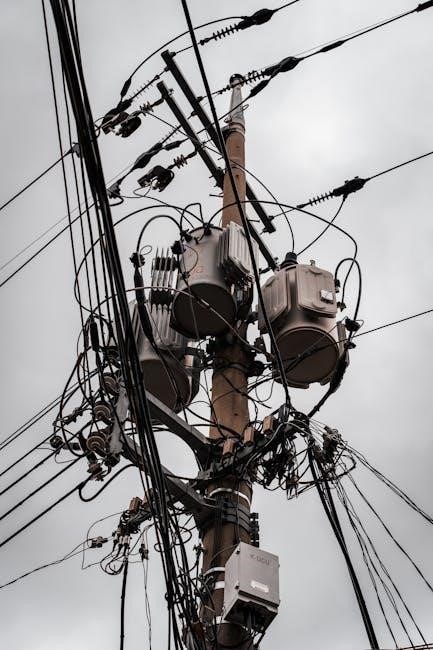
Selecting an appropriate location is paramount for the longevity and safe operation of your Malibu low voltage transformer. Ideally‚ choose a dry‚ well-ventilated area protected from the elements – rain‚ snow‚ and direct sunlight can significantly reduce the transformer’s lifespan.
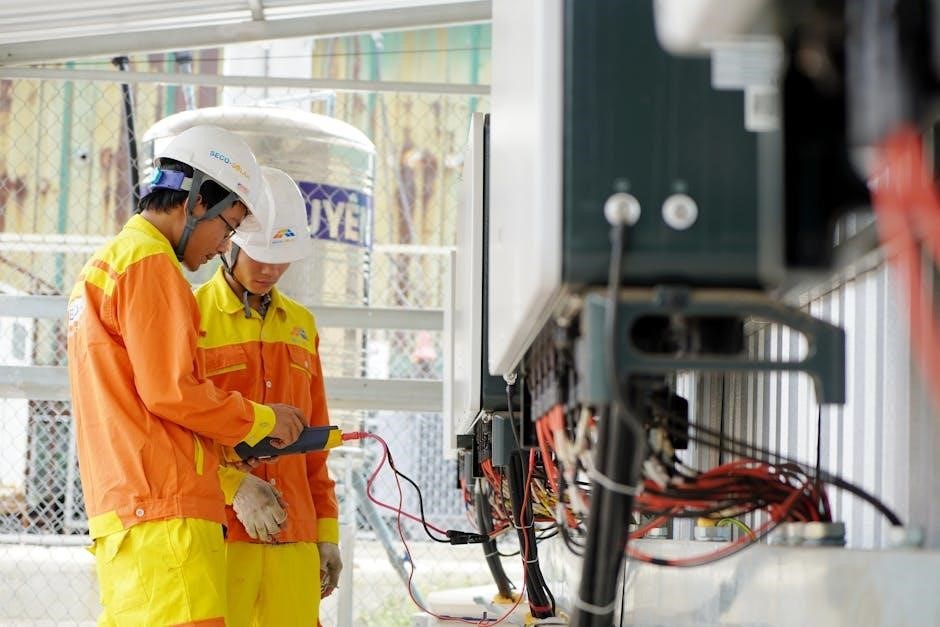
Consider proximity to a grounded 120V electrical outlet. Avoid excessively long extension cords‚ as they can cause voltage drop and inefficient operation of your landscape lighting system. The transformer should be easily accessible for maintenance and inspection‚ but also secured to prevent tampering or accidental damage.
Mounting the transformer off the ground is highly recommended to prevent moisture buildup and potential corrosion. A garage‚ shed‚ or protected outdoor enclosure are excellent choices. Ensure adequate clearance around the transformer for proper ventilation‚ preventing overheating. Avoid locations near flammable materials or areas prone to flooding.
Wiring the Primary Side (120V Input)
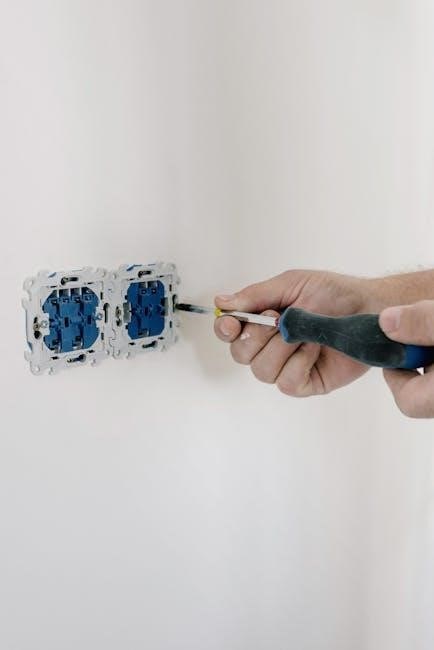
Before commencing any wiring‚ ALWAYS disconnect power to the 120V circuit at the breaker box. Safety is paramount! The primary side of the Malibu transformer connects to standard household current. Locate the input terminals‚ typically labeled “120V IN” or similar.
Use appropriately sized wire (typically 16 AWG or larger) suitable for outdoor use and rated for at least 15 amps. Connect the black (hot) wire to the designated hot terminal and the white (neutral) wire to the neutral terminal. Ensure a secure connection – loose connections can cause arcing and fire hazards.
Double-check all connections before restoring power. Improper wiring can damage the transformer and potentially create a dangerous situation. If you are uncomfortable working with electrical wiring‚ consult a qualified electrician. Never attempt to modify the power cord or plug.
Connecting the Secondary Side (Low Voltage Output)
The secondary side provides the low voltage power (typically 12V or 15V) for your landscape lighting fixtures. Identify the output terminals‚ usually labeled “LOW VOLTAGE OUT” or with a voltage indication. Use low voltage landscape lighting cable (typically 18/2 or 16/2 gauge) to connect the transformer to your fixtures.
Connect the smooth (positive) conductor of the low voltage cable to the positive (+) terminal on the transformer and the ribbed (negative) conductor to the negative (-) terminal. Ensure proper polarity – reversing the polarity can damage LED fixtures. Distribute the low voltage cable to each lighting fixture‚ making secure connections using appropriate wire connectors (waterproof connectors are recommended for outdoor use).
Avoid exceeding the transformer’s maximum wattage capacity by carefully calculating the total wattage of all connected fixtures. Inspect all connections for tightness and proper insulation before powering up the system.
Grounding the Transformer
Proper grounding is crucial for safety and to prevent electrical shock. Locate the grounding terminal on the transformer enclosure – it’s usually marked with a ground symbol (⏊) or labeled “GND”. Connect a grounding wire (typically 12-gauge or thicker) from the grounding terminal to a grounded metal conduit‚ grounding rod‚ or the grounding terminal of the electrical service panel.
Ensure the grounding connection is secure and corrosion-resistant. A poor ground connection can compromise the safety of the entire lighting system. Do not rely on the transformer enclosure itself as a grounding point unless it is specifically designed and labeled for grounding purposes.
Consult a qualified electrician if you are unsure about proper grounding procedures or local electrical codes. Always disconnect power to the transformer before performing any grounding work.
Operation and Maintenance
Regular checks ensure optimal performance and longevity. This section details initial power-up‚ voltage testing‚ wiring inspections‚ and enclosure cleaning procedures for your Malibu transformer.
Initial Power-Up and Testing
Before connecting landscape lighting‚ carefully inspect all wiring connections on both the primary (120V) and secondary (low voltage) sides of the Malibu transformer. Ensure wires are securely fastened and there are no exposed conductors. A loose connection can cause a malfunction or even a safety hazard.

Once verified‚ switch on the circuit breaker supplying power to the transformer. Observe the transformer for any unusual noises – excessive buzzing or humming could indicate a problem. If everything appears normal‚ proceed to test the low voltage output before connecting any lights.
Using a multimeter set to the appropriate DC voltage range (typically 12V or 15V‚ depending on your system)‚ carefully measure the voltage at the secondary terminals. A reading within the specified range confirms the transformer is functioning correctly. If the voltage is significantly off‚ immediately disconnect power and investigate the issue further – see the Troubleshooting section for guidance.
Finally‚ after confirming proper voltage‚ you can begin connecting your low voltage landscape lighting fixtures.
Checking Voltage Output
Regularly verifying the voltage output of your Malibu low voltage transformer is crucial for maintaining optimal landscape lighting performance. Fluctuations can indicate wiring issues‚ overloaded circuits‚ or a failing transformer. Use a digital multimeter set to the appropriate DC voltage range – typically 12V or 15V‚ depending on your lighting system.
To accurately measure‚ disconnect all landscape lights from the transformer. Then‚ carefully probe the secondary terminals with the multimeter leads‚ observing proper polarity. A consistent reading within the specified voltage range confirms healthy operation.
If the voltage is low‚ check for loose connections‚ corrosion‚ or excessive wire length. High voltage suggests a potential transformer malfunction and requires immediate attention. Document your readings over time to identify trends and proactively address potential problems before they lead to complete system failure.
Consistent monitoring ensures your landscape lighting remains bright and reliable.
Inspecting Wiring Connections
Routine inspection of wiring connections is paramount for the safe and reliable operation of your Malibu low voltage transformer system. Loose or corroded connections are frequent culprits behind performance issues and potential hazards. Begin by always disconnecting power to the transformer before any inspection.
Carefully examine all connections at the primary (120V input) and secondary (low voltage output) terminals. Look for signs of corrosion‚ such as green or white buildup‚ and ensure wire nuts or connectors are securely fastened. Gently tug on each wire to verify a firm grip.
Pay close attention to underground connections‚ as these are more susceptible to moisture damage. Consider using dielectric grease to protect connections from corrosion. Replace any damaged or frayed wiring immediately. Properly secured connections minimize voltage drop and ensure consistent lighting performance.
Regular maintenance extends the lifespan of your system and prevents costly repairs.
Cleaning the Transformer Enclosure
Maintaining a clean transformer enclosure is crucial for optimal performance and longevity. Dust‚ dirt‚ and debris can accumulate‚ potentially leading to overheating and reduced efficiency. Always disconnect power to the transformer before commencing any cleaning procedures.
Use a soft‚ dry cloth to wipe down the exterior of the enclosure. Avoid using harsh chemicals‚ abrasive cleaners‚ or excessive water‚ as these can damage the unit. For stubborn dirt‚ a slightly damp cloth may be used‚ but ensure the enclosure is thoroughly dried afterward.
Inspect the ventilation openings for obstructions and clear any debris to ensure adequate airflow. Proper ventilation prevents overheating and maintains consistent operation. Regular cleaning prevents corrosion and extends the life of your Malibu transformer.
Avoid spraying water directly into the enclosure. A clean enclosure contributes to a safer and more reliable landscape lighting system.
Troubleshooting Common Issues
Diagnose problems quickly with this section covering no power‚ low voltage‚ tripped breakers‚ and buzzing noises. Resolve issues and restore your Malibu landscape lighting system efficiently.
Transformer Not Powering On
If your Malibu transformer fails to power on‚ begin with the simplest checks. Verify the 120V power source is active using a known working device. Inspect the circuit breaker supplying power to the transformer; a tripped breaker is a common cause. Reset the breaker if necessary‚ but investigate why it tripped in the first place – a short circuit downstream could be the culprit.
Next‚ examine the transformer’s primary wiring connections. Ensure wires are securely connected and there are no loose connections or damaged insulation. Check the transformer’s fuse (if equipped) and replace it with the correct amperage rating if blown. A faulty fuse indicates a more significant problem requiring further investigation.
Consider the possibility of a disconnected or damaged low-voltage cable. While less common‚ a break in the secondary wiring can prevent operation. If these steps don’t resolve the issue‚ professional assistance may be required to diagnose internal transformer failures.
Low Voltage Output
If your landscape lights are dim or not illuminating‚ despite the transformer being powered on‚ you likely have a low voltage output issue. Begin by verifying the transformer’s voltage selector switch (if applicable) is set to the correct voltage for your lighting system – typically 12V or 15V. Incorrect voltage settings will drastically affect light brightness.
Use a multimeter to measure the voltage at the transformer’s secondary terminals. Compare the reading to the transformer’s specified output voltage. A significantly lower reading indicates a problem with the transformer itself or excessive voltage drop in the wiring.
Inspect the low-voltage wiring for corrosion‚ damage‚ or loose connections. Long wire runs can contribute to voltage drop; consider shortening runs or using thicker gauge wire. Ensure the total wattage of connected lights doesn’t exceed the transformer’s capacity.
Tripping Circuit Breaker
A frequently tripping circuit breaker associated with your Malibu low voltage transformer signals an overload or short circuit. First‚ reduce the load by disconnecting some landscape lights to see if the breaker stabilizes. If it holds‚ the total wattage of your lighting exceeds the transformer’s capacity – upgrade to a higher wattage transformer.
If the breaker continues to trip even with a reduced load‚ suspect a short circuit in the low-voltage wiring. Carefully inspect all wiring connections for damage‚ exposed wires‚ or corrosion. Pay close attention to areas where wires pass through metal or are exposed to the elements.
A faulty transformer can also cause breaker tripping. Disconnect the transformer from the 120V power source and test its internal components (if you are qualified to do so). If the transformer is defective‚ it must be replaced. Always prioritize safety when dealing with electrical issues.
Buzzing or Humming Noise
A buzzing or humming noise emanating from your Malibu low voltage transformer is often normal‚ particularly during operation. This sound typically results from the transformer’s internal components vibrating as they convert voltage. However‚ an unusually loud or persistent noise could indicate a problem.
Loose laminations within the transformer core can cause excessive vibration and noise. Unfortunately‚ this usually requires professional repair or transformer replacement. Check that the transformer is securely mounted to a stable surface to minimize vibrations. Ensure it’s not directly contacting any other structures.
Overloading the transformer can also amplify the humming sound. Reduce the load by disconnecting some lights to see if the noise diminishes. If the noise persists even with a reduced load‚ the transformer may be nearing the end of its lifespan and require replacement. Always disconnect power before inspecting the unit.
Advanced Topics & Specific Malibu Models
Explore load calculations‚ extending low voltage runs‚ and LED compatibility for optimal performance. Detailed specifics for the Malibu 8100-9120-01 model are also included here.
Malibu 8100-9120-01 Model Specifics
The Malibu 8100-9120-01 is a 120-watt low voltage transformer designed for landscape lighting systems. This model is frequently discussed in online forums regarding intermittent issues with vehicle performance‚ though this relates to Chevrolet Malibus‚ not the transformer itself. However‚ understanding troubleshooting principles is universally applicable.
Key features include a built-in timer and a manual override function. It’s crucial to ensure proper grounding for safety‚ a common concern highlighted in various online repair discussions. Users have reported issues with similar electrical components failing emissions tests‚ emphasizing the importance of regular inspection.
Regarding operation‚ some users have experienced rough idling or lag‚ mirroring issues found in automotive Malibu models. While not directly comparable‚ it underscores the need for consistent voltage output. This model is compatible with a range of low voltage landscape lights‚ but load calculations are essential to prevent overloading. Always refer to the full instruction manual for detailed specifications and safety guidelines.
Understanding Load Calculations
Accurate load calculations are vital for optimal transformer performance and longevity. Overloading the transformer can lead to reduced lifespan‚ tripped circuit breakers‚ and potential fire hazards – mirroring issues reported with vehicle electrical systems like the Chevrolet Malibu. To calculate the load‚ determine the wattage of each landscape light connected to the transformer.
Sum the wattage of all lights to find the total load. Ensure this total does not exceed the transformer’s maximum wattage capacity (e.g.‚ 120 watts for the 8100-9120-01 model). Consider voltage drop over longer wire runs‚ which can reduce light output.
LED lights generally consume less wattage than traditional halogen bulbs‚ allowing for more fixtures on the same transformer. Always factor in a safety margin – aim for a load that is 80% or less of the transformer’s capacity. Incorrect calculations can cause issues similar to those experienced with faulty sensors or rough idling in automotive applications.
Extending Low Voltage Runs
Extending low voltage runs beyond the manufacturer’s recommendations can cause voltage drop‚ diminishing light fixture brightness. Utilize thicker gauge wire (lower AWG number) for longer distances to minimize resistance and maintain adequate voltage – similar to ensuring proper electrical connections in a vehicle like a Malibu.
Consult a voltage drop calculator to determine the appropriate wire gauge for your specific run length and wattage. Avoid exceeding the maximum recommended distance specified by Malibu‚ typically around 200 feet. Employ direct burial cable rated for outdoor use if burying wires.
Properly waterproof all connections using silicone-filled wire connectors to prevent corrosion; Consider using a second transformer if the distance is exceptionally long‚ dividing the load between multiple units. Like addressing intermittent issues in a car’s electrical system‚ careful planning and quality components are crucial for reliable performance.
Compatibility with LED Landscape Lighting
Malibu low voltage transformers are generally compatible with LED landscape lighting‚ offering energy efficiency and extended lifespan. However‚ ensure the transformer’s wattage capacity exceeds the total wattage of all connected LED fixtures – similar to checking a car’s electrical system for compatibility with new accessories.
LEDs require less power than traditional halogen bulbs‚ allowing you to connect more fixtures to a single transformer. Verify the transformer’s voltage output matches the LED fixtures’ requirements‚ typically 12V or 15V. Some older Malibu transformers may not be fully compatible with dimmable LEDs; check specifications.
Consider using a transformer specifically designed for LED lighting for optimal performance and dimming control. Like troubleshooting a rough idling engine in a Malibu‚ proper matching of components is essential. Always prioritize quality LED fixtures and transformers for long-term reliability and consistent illumination.