
funny in farsi pdf
Funny in Farsi: A Comprehensive Overview
Firoozeh Dumas’s memoir delightfully recounts her family’s move to America, offering a humorous and insightful look into cultural adaptation and the immigrant experience.
Firoozeh Dumas, the author of Funny in Farsi, masterfully blends humor and heartfelt storytelling to chronicle her family’s journey from Iran to Southern California in 1972. Her memoir isn’t simply a recounting of events; it’s a vibrant exploration of cultural clashes, identity formation, and the universal search for belonging.
Dumas’s writing style is characterized by witty anecdotes and a keen observational eye, making even the most challenging experiences relatable and amusing. The book’s appeal lies in its ability to challenge stereotypes and foster empathy through laughter. Funny in Farsi offers a unique perspective on the immigrant experience, resonating with readers from diverse backgrounds.
The Dumas Family’s Journey to America
The Dumas family’s relocation to America in 1972 marked the beginning of a transformative chapter, vividly detailed in Funny in Farsi. Kazem, the father, an engineer with a penchant for optimistic schemes – from “Bowling for Dollars” to Las Vegas ventures – initially sought financial prosperity. However, the Iranian Revolution significantly impacted their lives, leading to job loss and ultimately, their decision to immigrate.
Nasrin, the mother, demonstrated remarkable adaptability, though navigating American customs proved challenging. Firoozeh, as a young girl, experienced the complexities of adjusting to a new culture, language, and social environment, forming the core narrative of the memoir.

Cultural Clash and Humor
Dumas masterfully portrays the humorous collisions between Iranian traditions and American norms, highlighting misunderstandings and the challenges of assimilation with wit.
Initial Experiences in Southern California
The Dumas family’s arrival in Southern California in 1972 marked the beginning of a series of comical adjustments. Initially, they encountered bewilderment regarding American customs, from navigating grocery stores to understanding social etiquette.
Firoozeh’s father, Kazem, enthusiastically embraced American opportunities, even appearing on “Bowling for Dollars,” while her mother, Nasrin, faced challenges mastering English and adapting to a new lifestyle.
These early experiences, filled with both frustration and amusement, formed the foundation of the memoir’s humor, showcasing the family’s resilience and ability to find joy amidst cultural differences. The author vividly recalls these formative moments, offering a relatable and heartwarming portrayal of immigrant life.
Navigating American Customs and Etiquette
The Dumas family’s journey involved a steep learning curve when it came to American social norms. Simple acts, like gift-giving and expressing gratitude, presented unexpected challenges, leading to humorous misunderstandings.
Firoozeh recounts instances where her family’s Iranian customs clashed with American expectations, creating awkward yet amusing situations. They grappled with concepts like tipping, potlucks, and the nuances of small talk.
These cultural collisions are portrayed with warmth and wit, highlighting the family’s willingness to learn and adapt. The memoir emphasizes the importance of embracing differences and finding common ground, even amidst cultural confusion.
The Role of Language and Misunderstandings
Language barriers and misinterpretations form a central comedic element in “Funny in Farsi.” The Dumas family’s initial struggles with English pronunciation and idioms led to numerous hilarious encounters.
Firoozeh vividly describes situations where her father’s literal translations and her mother’s attempts to master American slang resulted in comical confusion. These linguistic mishaps weren’t merely humorous; they underscored the challenges of assimilation.
The memoir demonstrates how language shapes perception and how misunderstandings can arise from cultural differences in communication styles. It’s a testament to the power of humor in bridging linguistic and cultural gaps.

Themes Explored in “Funny in Farsi”
The memoir profoundly explores identity, belonging, and the immigrant experience, challenging stereotypes through humor and relatable family anecdotes, fostering understanding.
Identity and Belonging
“Funny in Farsi” intricately examines the complexities of forging an identity while navigating two distinct cultures. Firoozeh Dumas’s narrative beautifully illustrates the challenges and triumphs of belonging – or not belonging – in a new land. She grapples with being perceived as “different” and the desire to assimilate, while simultaneously cherishing her Iranian heritage.
The memoir showcases how cultural clashes shape self-perception and the search for acceptance. Dumas’s experiences highlight the universal human need to find a place where one feels truly at home, questioning what it means to be American, Iranian, or simply, oneself. It’s a relatable exploration of finding belonging amidst cultural transitions.

The Immigrant Experience
“Funny in Farsi” offers a poignant and often humorous portrayal of the immigrant experience, detailing the Dumas family’s adaptation to American life after leaving Iran. The memoir captures the initial excitement, subsequent challenges, and eventual integration into a new society, showcasing both the joys and frustrations inherent in starting anew.
Dumas vividly depicts the cultural adjustments, language barriers, and societal misunderstandings faced by her family. It’s a relatable narrative for anyone who has experienced displacement or cultural transition, highlighting the resilience and determination required to build a life in a foreign land. The book underscores the universal themes of hope, perseverance, and the pursuit of the American Dream.
Challenging Stereotypes
“Funny in Farsi” actively dismantles preconceived notions and stereotypes surrounding Iranian culture and people. Through humor and personal anecdotes, Dumas presents a nuanced and relatable portrayal of her family, defying simplistic or negative representations often found in mainstream media. The book’s very existence challenges the association of Iran with solely political turmoil, introducing a human element often overlooked.
By showcasing the warmth, intelligence, and quirks of her parents and herself, Dumas fosters empathy and understanding. The memoir subtly encourages readers to question their own biases and embrace cultural diversity, proving that humor can be a powerful tool for bridging divides and promoting inclusivity. It’s a refreshing counter-narrative.

Key Characters and Their Quirks
Dumas vividly portrays her father’s dreamer persona, her mother’s adaptation, and her own perspective, creating a charming family dynamic filled with relatable and humorous quirks.
Kazem Dumas: The Father’s Dreamer Persona
Kazem, Firoozeh’s father, emerges as a sweetly quixotic figure, relentlessly pursuing the American dream through unconventional avenues. He initially seeks fortune on game shows like “Bowling for Dollars” and in the glittering casinos of Las Vegas, embodying a hopeful, yet often misguided, ambition.
His engineering background contrasts sharply with his whimsical pursuits, creating a humorous tension. Even after facing job loss during the Iranian revolution, Kazem maintains an optimistic outlook, showcasing resilience and a unique perspective. Dumas portrays him with affection, highlighting his endearing naiveté and unwavering belief in possibilities, making him a central source of the memoir’s charm and humor.
Nasrin Dumas: The Mother’s Adaptation
Nasrin, Firoozeh’s mother, represents a more pragmatic approach to adapting to American life, though not without her own humorous struggles. Described as elegant, she finds navigating American customs challenging, particularly mastering the English language.
Her experiences highlight the difficulties immigrants face in assimilating, often leading to comical misunderstandings and cultural clashes. Despite these hurdles, Nasrin demonstrates remarkable strength and resourcefulness, quietly adjusting to a new world while maintaining her Iranian identity. Dumas portrays her mother with respect and affection, showcasing her quiet dignity and unwavering support for her family.
Firoozeh Dumas: The Author’s Perspective
Firoozeh Dumas narrates her experiences with a uniquely charming and self-deprecating voice, offering a child’s perspective on the family’s cultural adjustments. She skillfully blends humor and poignant observations, allowing readers to connect with her story on a deeply personal level.
Her narrative isn’t simply about the “funny” aspects of being Iranian in America; it’s a thoughtful exploration of identity, belonging, and the universal human desire for acceptance. Through anecdotes and short stories, Dumas reveals her evolving understanding of both cultures, ultimately celebrating the richness of her dual heritage.

Literary Style and Structure
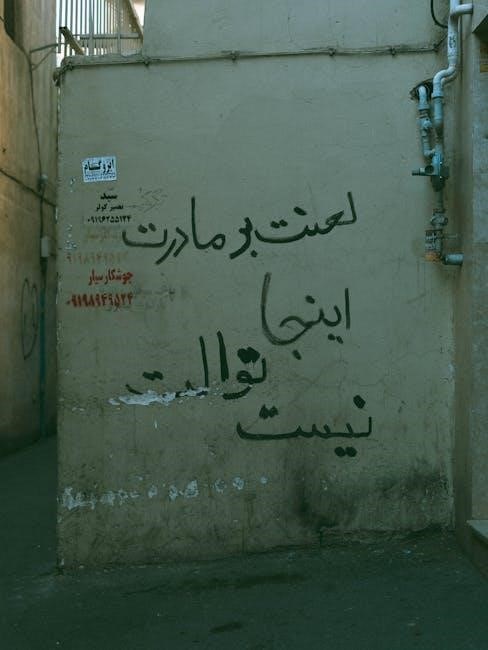
Dumas employs a collection of anecdotes and short stories, utilizing humor as a central narrative device to explore themes of cultural clash and adaptation effectively.
The Use of Anecdotes and Short Stories
“Funny in Farsi” masterfully utilizes a structure built upon interconnected anecdotes and short stories, rather than a traditional linear narrative. This approach allows Dumas to present a mosaic of experiences, each illuminating a different facet of her family’s assimilation into American culture.
These vignettes, often focusing on humorous misunderstandings or cultural clashes, are easily digestible and highly engaging for the reader. The episodic nature mirrors the fragmented experience of immigration itself – a series of individual moments building a larger story.
Each story functions as a self-contained unit, yet collectively they weave a compelling and heartwarming tale of identity, belonging, and the universal search for home. This stylistic choice enhances the book’s accessibility and charm.
Humor as a Narrative Device
Dumas expertly employs humor not merely for comedic effect, but as a crucial narrative device within “Funny in Farsi.” The book’s lighthearted tone serves to disarm readers, making them more receptive to exploring complex themes of cultural difference and the immigrant experience.
By framing potentially sensitive topics – like language barriers and societal misunderstandings – within a humorous context, Dumas fosters empathy and understanding. The humor isn’t at the expense of anyone, but rather arises from the absurdity of navigating unfamiliar customs.
This approach allows her to challenge stereotypes and promote cross-cultural dialogue in a gentle, accessible way, making the memoir both entertaining and profoundly insightful.
Comparison to “My Big Fat Greek Wedding”
“Funny in Farsi” shares significant thematic and stylistic similarities with the popular film “My Big Fat Greek Wedding.” Both works humorously depict the collision of cultures and the challenges faced by immigrant families adapting to American life. They both center around tightly-knit families and their often-exaggerated, yet relatable, cultural quirks.
Like the film, Dumas’s memoir finds humor in the everyday struggles of navigating new customs and traditions. Both celebrate the importance of family and the enduring power of cultural identity.
However, “Funny in Farsi” offers a more nuanced and personal perspective, delving deeper into the emotional complexities of the immigrant experience.

Reception and Impact
“Funny in Farsi” garnered critical acclaim for its wit and heartwarming portrayal of the immigrant experience, resonating with diverse audiences and challenging stereotypes.
Critical Acclaim and Reviews
“Funny in Farsi” received overwhelmingly positive reviews, praised for Dumas’s engaging storytelling and ability to find humor in everyday cultural clashes. Critics frequently compared the memoir’s charm to the film “My Big Fat Greek Wedding,” noting its similar exploration of family, tradition, and assimilation.

Publications like The Providence Journal highlighted the book as “often hilarious, always interesting,” emphasizing its relatable themes. Reviewers consistently lauded Dumas’s skillful use of anecdotes and her knack for self-deprecating humor. The memoir’s success lies in its ability to connect with readers on a human level, transcending cultural boundaries and offering a fresh perspective on the immigrant experience. It quickly became a beloved read, celebrated for its warmth and wit.
The Book’s Relevance to Contemporary Issues
“Funny in Farsi” remains remarkably relevant today, resonating with ongoing discussions about immigration, identity, and cultural understanding. In a world often divided, Dumas’s memoir offers a heartwarming counter-narrative, emphasizing shared humanity over difference. The book challenges stereotypes and promotes empathy, fostering a more inclusive perspective on the immigrant experience.
Its exploration of navigating new customs and languages speaks to the universal challenges faced by newcomers. Furthermore, the memoir’s humor serves as a powerful tool for bridging cultural gaps and sparking meaningful conversations. It encourages readers to question preconceived notions and embrace diversity, making it a vital read in contemporary society.

Finding and Accessing “Funny in Farsi” (PDF & Other Formats)
Locating a legal PDF of “Funny in Farsi” can be tricky; explore online booksellers and library databases for eBook or audiobook versions.
Where to Download the PDF Legally
Obtaining a legitimate PDF version of “Funny in Farsi” requires careful navigation, as unauthorized downloads infringe on copyright. While a free, legal PDF might be elusive, several avenues offer access to the book in digital formats. Major online booksellers, such as Amazon, Barnes & Noble, and Kobo, frequently sell the eBook version.
Additionally, many public libraries provide access to eBooks and audiobooks through their digital lending platforms, like OverDrive or Libby, often requiring only a library card. Checking these resources is a cost-effective and legal way to read the memoir. Be cautious of websites offering free PDF downloads, as they may contain malware or violate copyright laws. Prioritizing legal sources ensures support for the author and responsible content consumption.
Availability in Other Formats (eBook, Audiobook)
Beyond the potential for a PDF, “Funny in Farsi” is widely available in diverse formats to suit various preferences. eBook versions are readily accessible through popular platforms like Kindle, Kobo, and Apple Books, offering convenient reading on tablets, smartphones, and e-readers.
For those who prefer listening, an audiobook edition narrated by the author herself provides an immersive experience, capturing the humor and warmth of her storytelling. Audiobook platforms such as Audible and Google Play Books feature “Funny in Farsi.” These alternative formats offer flexibility and accessibility, ensuring the memoir can be enjoyed regardless of reading habits or technological access, expanding beyond simply seeking a PDF.